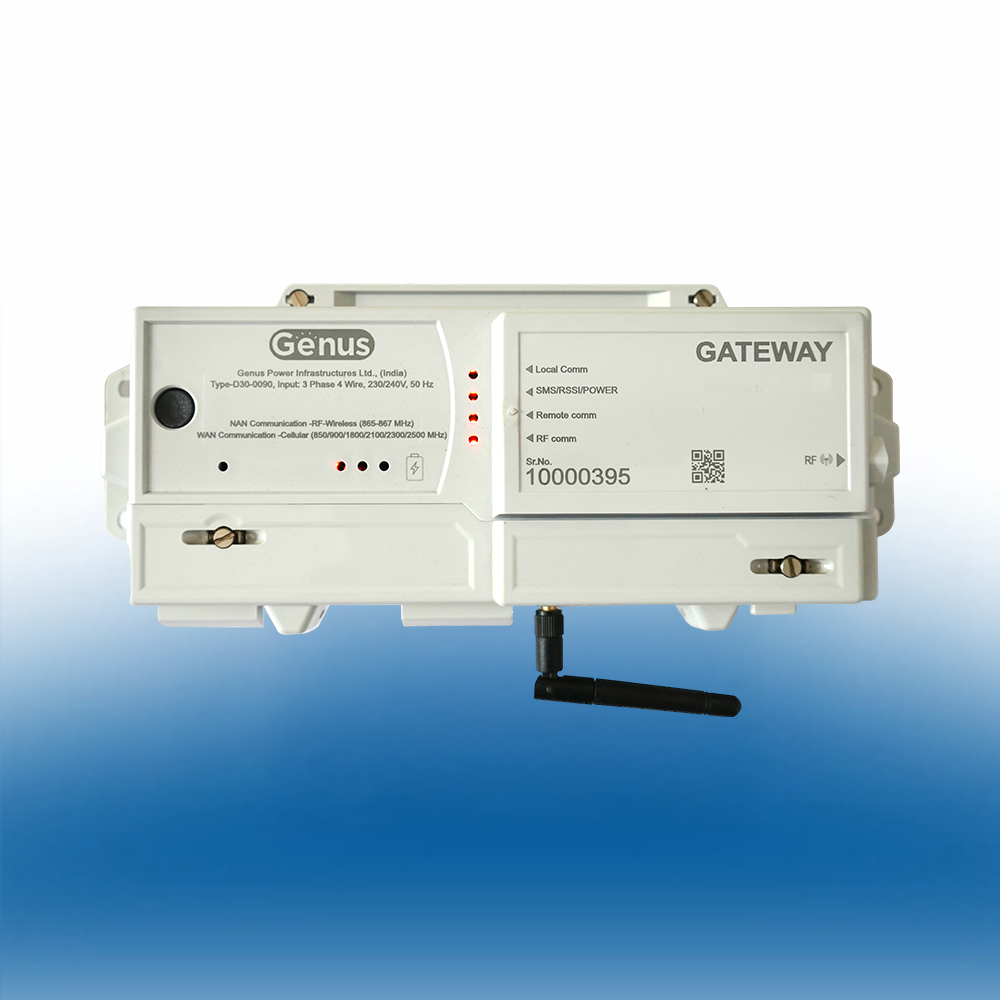
Exploring the Elusive "Genus Power Medidores": A Deep Dive into Information Gaps and Industry Insights
In the vast ocean of digital information, finding precise data on niche products can often be a challenge. Our investigation into "genus power medidores" is a prime example, where specific searches across particular textual contexts, such as music lyrics databases and album release calendars, yielded no relevant content. This initial void, however, doesn't diminish the potential significance of the term itself. Instead, it invites a deeper exploration into what "Genus Power Medidores" might represent, why its information might be absent from certain sources, and where one might realistically expect to find details about such a product or company within the broader energy measurement landscape.
The immediate takeaway from our initial search is clear:
Genus Power Medidores was conspicuously absent from the specific sources we examined. This isn't necessarily an indication that the entity doesn't exist, but rather highlights the critical importance of source relevance when conducting information retrieval. Searching musical artist profiles or future album schedules for industrial power measurement equipment is akin to looking for a wrench in a library's poetry section – the tools exist, just not in that specific context. This absence prompts a deeper dive into
why Genus Power Medidores information might be missing from particular textual datasets and how to approach such information gaps effectively.
Decoding "Genus Power Medidores": What the Term Suggests
To understand what information we *should* be looking for, let's break down the probable meaning of "Genus Power Medidores."
*
Genus: This could be a brand name, a company name, or a product line identifier. In a technical or industrial context, "Genus" could signify a particular series or category of devices.
*
Power: This clearly points to an application within the electrical or energy sector. It suggests devices related to electricity, consumption, generation, or distribution.
*
Medidores: This is the Spanish word for "meters" or "measuring devices." This term immediately tells us we are likely dealing with equipment designed to quantify an electrical parameter.
Combining these elements, "Genus Power Medidores" most likely refers to a brand or line of electrical power meters or energy measurement devices. These could range from simple residential electricity meters to advanced industrial smart meters, grid monitoring equipment, or even specialized measurement tools for power quality analysis. The use of "Medidores" suggests potential market focus in Spanish-speaking regions or a company with a significant presence there.
Given this interpretation, the expected habitat for information on "genus power medidores" would be industry-specific platforms. Think manufacturer websites, product catalogs, technical specifications sheets, B2B directories, energy sector news outlets, trade show listings, or professional forums dedicated to electrical engineering and utilities. The complete lack of mention in unrelated contexts, therefore, is not a failure of the product's existence, but a natural outcome of context-mismatched inquiry.
The Absence of Information: Why Specific Sources Matter
The initial search explicitly stated that sources like "Genus Lyrics, Songs, and Albums," "Spalexma – We Are Charlie Kirk Lyrics," and "Genius – January 2026 Album Release Calendar" contained no data about "genus power medidores." This outcome is not surprising; in fact, it's entirely expected.
*
Content Focus: Genius.com, for instance, is primarily a platform for lyrics, musical artist information, and album releases. Its core function revolves around music and cultural content. An industrial product like a power meter simply does not fit its scope. Searching for technical specifications on a music lyric site is analogous to trying to find gourmet recipes in a car repair manual – both contain text, but their domains are entirely distinct.
*
Target Audience: The audience for music lyrics and album calendars is fundamentally different from the target audience for power meters. Music enthusiasts and fans are unlikely to be seeking detailed information on energy measurement devices through these channels. Manufacturers of power meters would naturally target utilities, industrial clients, electrical engineers, and distributors through specialized channels.
*
Indexing and SEO Strategy: Websites like Genius.com optimize their content for keywords related to music, artists, genres, and cultural events. They are indexed by search engines for these terms. Consequently, technical product terms like "genus power medidores" would neither be present in their content nor prioritized in their search engine optimization strategies. This explains why an organic search might not surface relevant results from these specific, unrelated platforms.
Understanding these distinctions is crucial for effective information gathering. When a specific search term yields no results in an unexpected context, it's a prompt to re-evaluate the source and broaden the search to more appropriate, industry-relevant platforms. This analytical step saves time and directs research efforts more efficiently.
Navigating the Power Meter Landscape: What to Consider Beyond Specific Brands
Even without immediate data on "genus power medidores," exploring the broader industry context provides significant value. The power meter market is a critical component of modern infrastructure, from residential smart homes to vast industrial complexes and national grids. These devices are fundamental for:
*
Billing and Revenue: Accurate measurement ensures fair billing for consumers and reliable revenue for utilities.
*
Energy Management: Meters provide data essential for tracking consumption, identifying inefficiencies, and implementing energy-saving strategies in homes, businesses, and factories.
*
Grid Stability and Smart Grids: Advanced meters contribute to real-time data collection, enabling utilities to monitor grid health, detect outages, integrate renewable energy sources, and manage demand more effectively.
*
Power Quality Analysis: Specialized meters can assess voltage sags, swells, harmonics, and other power quality issues that can impact sensitive equipment and operational efficiency.
When evaluating power meters, regardless of the brand, several key features and considerations come into play:
1.
Accuracy Class: Meters are certified to specific accuracy classes (e.g., Class 0.2S, Class 0.5S for high precision; Class 1.0, Class 2.0 for general use). The required accuracy depends on the application.
2.
Measurement Capabilities: Beyond basic kilowatt-hour (kWh) readings, advanced meters can measure demand (kW, kVA, kVAr), voltage, current, power factor, frequency, and harmonic distortion.
3.
Communication Protocols: Modern meters often feature communication capabilities (e.g., Modbus, DLMS/COSEM, Zigbee, cellular, Wi-Fi, LoRaWAN) for remote reading and integration into advanced metering infrastructure (AMI) or building management systems (BMS).
4.
Form Factor and Installation: Meters come in various designs – DIN rail mount, panel mount, socket type, etc. – to suit different installation environments.
5.
Certification and Standards: Compliance with international standards (e.g., IEC, ANSI) and local regulatory certifications is crucial for reliability and legality.
6.
Durability and Environmental Rating: For outdoor or harsh industrial environments, meters need appropriate ingress protection (IP) ratings and robust construction.
7.
Data Logging and Analytics: The ability to store historical data and provide insights into consumption patterns is increasingly valuable.
Understanding these general characteristics helps in formulating more targeted search queries and evaluating potential alternatives if a specific product like "genus power medidores" remains elusive.
Effective Strategies for Finding Niche Product Information
When facing an initial information void like with "genus power medidores," a strategic approach is key. Instead of giving up, consider these actionable steps:
1.
Refine Search Terms: Try variations. "Genus Power Meter," "Genus Energy Meter," "Genus Electricity Medidor," "Genus Electric Meter." If "Genus" is a less common brand name, try searching for "Power Medidores" or "Energy Meters" generically to understand the market and then look for specific manufacturers.
2.
Target Industry-Specific Search Engines and Databases: Google Scholar for research papers, patent databases for technical innovations, or specialized industrial search engines.
3.
Direct Manufacturer Websites: If "Genus" is a company name, a direct search for "Genus Corporation," "Genus Inc.," or "Genus [country] Electrical" might lead to their official site, where product catalogs would reside. Many large electrical equipment manufacturers have dedicated sections for metering solutions.
4.
Industry Publications and Trade Shows: Electrical engineering magazines, utility journals, and websites covering smart grid technology often feature product reviews, company profiles, and news. Trade shows like DistribuTECH, European Utility Week, or Middle East Energy are prime locations for new product launches and manufacturer showcases. Check their exhibitor lists.
5.
B2B Directories and Marketplaces: Platforms like Alibaba, Thomasnet, or regional industrial directories can list manufacturers and their product offerings.
6.
Professional Forums and Communities: Engineers and technicians often discuss specific equipment on specialized online forums. Posting an inquiry in an electrical engineering or utility forum could yield insights from professionals familiar with niche brands.
7.
Geographical Specificity: If "Medidores" suggests a Spanish-speaking market, adding geographical terms like "Genus Power Medidores Spain," "Genus Power Medidores Mexico," or "Genus Power Medidores Latin America" might narrow the search.
By systematically applying these strategies, the chances of locating relevant information about "genus power medidores" or a suitable alternative dramatically increase. It moves beyond the limitations of general web searches and taps into more specialized knowledge bases.
Conclusion
Our journey to uncover information about "genus power medidores" began with an acknowledgment of its absence in certain, admittedly irrelevant, source contexts. This initial finding was not a dead end but a crucial lesson in the importance of context-aware information retrieval. By dissecting the likely meaning of the term, we inferred that it pertains to the vital field of power and energy measurement.
While specific data on "genus power medidores" remains elusive within the initially provided scope, this exploration has served to highlight the vast, intricate landscape of the power meter industry. It underscores the critical functions these devices perform, the key features that define their utility, and the best practices for researching niche industrial products. For anyone seeking information on "genus power medidores" or similar specialized equipment, the path forward involves focusing on industry-specific channels, refining search queries, and leveraging expert communities. The absence of data in one place simply means the true home of that information lies elsewhere, waiting to be discovered through a more targeted and informed approach.